
Thyroid cancer is one of the most treatable forms of cancer when diagnosed early. The thyroid gland, located at the front of the neck, plays an essential role in regulating metabolism, heart rate, body temperature, and hormone production. Although hearing the word "cancer" can be overwhelming, advances in diagnosis, surgical techniques, and personalized treatment have significantly improved survival rates and quality of life for patients with thyroid cancer.
 08 June 2026
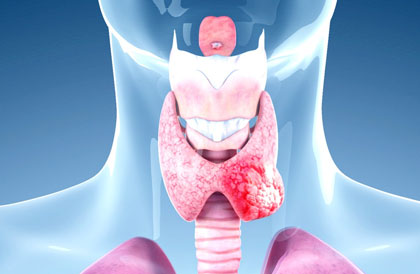
Thyroid cancer occurs when abnormal cells develop within the thyroid gland and begin growing uncontrollably. There are several types of thyroid cancer, including Papillary, Follicular, Medullary, and Anaplastic thyroid cancers. Most thyroid cancers grow slowly and respond very well to treatment, particularly when diagnosed in their early stages.
The most common symptom is a painless lump or swelling at the front of the neck that gradually increases in size.
2. Hoarseness or Voice ChangesPersistent changes in voice or hoarseness may occur if the tumour affects the nearby vocal cord nerves.
3. Difficulty SwallowingA growing thyroid tumour may cause discomfort or difficulty while swallowing food or liquids.
4. Difficulty BreathingLarge thyroid tumours can compress the windpipe, leading to breathing difficulties.
5. Persistent Neck PainPain in the front of the neck that may radiate towards the jaw or ears should always be evaluated by a specialist.
6. Enlarged Lymph NodesSwollen lymph nodes in the neck may indicate the spread of thyroid cancer and require prompt medical attention.
While thyroid cancer can affect anyone, certain factors increase the risk, including:
Early diagnosis helps achieve excellent treatment outcomes. Your specialist may recommend:
Treatment is planned based on the type, size, and stage of thyroid cancer. Common treatment options include:
Most patients recover well following thyroid cancer surgery and can return to their normal daily activities within a few weeks. Lifelong thyroid hormone replacement may be required after total thyroid removal. Regular follow-up appointments, blood tests, and imaging studies help monitor recovery and detect any recurrence at an early stage.
Although thyroid cancer cannot always be prevented, early evaluation of thyroid nodules, regular health check-ups, awareness of family history, and prompt consultation for persistent neck swelling can help achieve early diagnosis and successful treatment.
Thyroid cancer is one of the most curable cancers when detected and treated early. If you notice a persistent neck lump, voice changes, or difficulty swallowing, do not delay seeking medical advice. Early diagnosis combined with expert surgical care offers excellent long-term outcomes and a healthy future.
Dr. Nikhil Mitkar, Consultant Head & Neck Oncosurgeon, specializes in the diagnosis and surgical management of thyroid cancer using advanced, evidence-based techniques. From accurate diagnosis to personalized surgical treatment and long-term follow-up, Dr. Mitkar is dedicated to delivering comprehensive, compassionate, and patient-focused cancer care.