
Laryngeal (voice box) and hypopharyngeal cancers are serious head and neck cancers that can affect speaking, swallowing, and breathing. Early diagnosis and specialized treatment play a vital role in preserving these essential functions while achieving the best possible cancer control. Dr. Nikhil Mitkar provides comprehensive evaluation and advanced surgical treatment for laryngeal and hypopharyngeal cancers using modern, evidence-based techniques.
Every patient receives an individualized treatment plan based on the location, stage, and extent of the tumour. Whenever feasible, organ-preserving approaches are considered to maintain voice, swallowing function, and overall quality of life while ensuring effective cancer treatment.
Accurate diagnosis and staging are essential for planning effective treatment. After a detailed evaluation, a personalized treatment strategy is developed based on the patient's condition and cancer stage.
Persistent hoarseness, difficulty swallowing, or a neck lump should never be ignored. Early diagnosis can significantly improve treatment success and preserve vital functions. Consult Dr. Nikhil Mitkar for expert evaluation and comprehensive treatment of laryngeal and hypopharyngeal cancers.
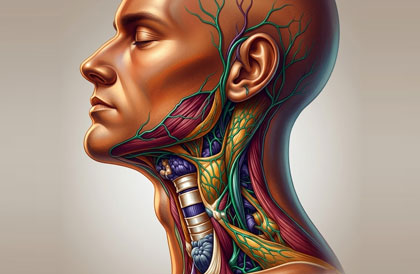
Laryngeal cancer develops in the voice box (larynx), while hypopharyngeal cancer affects the lower part of the throat surrounding the larynx. Both are types of head and neck cancers that require prompt diagnosis and specialized treatment for the best outcomes.
Common symptoms include persistent hoarseness, difficulty swallowing, a sore throat that does not improve, neck swelling, breathing difficulty, unexplained weight loss, and ear pain. If these symptoms persist for more than two weeks, consult a Head & Neck Oncosurgeon.
Not all patients lose their voice. Whenever possible, organ-preserving treatment options are considered. If extensive surgery is necessary, speech rehabilitation and voice restoration techniques can help patients communicate effectively.
Diagnosis typically includes a detailed clinical examination, video laryngoscopy, endoscopic evaluation, biopsy, and imaging studies such as CT scan, MRI, or PET-CT to determine the stage and extent of the disease.
Dr. Nikhil Mitkar is a Consultant Head & Neck Oncosurgeon with expertise in treating cancers of the larynx and hypopharynx. He provides comprehensive, evidence-based care using advanced surgical techniques, organ-preserving approaches whenever appropriate, and dedicated rehabilitation to help patients achieve the best oncological and functional outcomes.