
Head and neck cancers affect important structures responsible for breathing, speaking, swallowing, eating, and facial appearance. While hearing the diagnosis can be frightening, modern advances in cancer surgery, reconstruction, and multidisciplinary treatment have significantly improved outcomes. The key to successful treatment is early detection. Identifying warning signs and seeking medical attention without delay can dramatically increase the chances of cure while preserving function and quality of life.
 20 May 2026
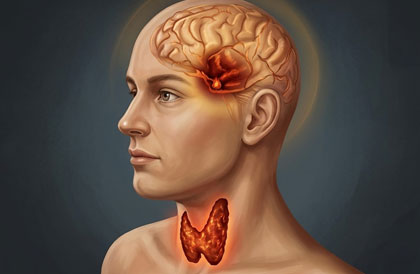
Head and neck cancer is a group of cancers that develop in the mouth, tongue, throat, voice box (larynx), salivary glands, nose, sinuses, thyroid gland, jaw, and other nearby structures. These cancers may begin as small, painless lesions but can spread to surrounding tissues and lymph nodes if left untreated. Fortunately, when diagnosed early, many head and neck cancers can be treated successfully with excellent long-term outcomes.
A sore inside the mouth that does not heal within two to three weeks should always be evaluated by a specialist.
2. Lump or Swelling in the NeckA painless lump in the neck may be an enlarged lymph node and could be an early sign of head and neck cancer.
3. Difficulty SwallowingPersistent pain or difficulty while swallowing should never be ignored, especially if it continues to worsen.
4. Hoarseness or Voice ChangesChanges in voice lasting longer than two weeks may indicate cancer affecting the vocal cords or larynx.
5. Persistent Sore ThroatA sore throat that does not improve despite medication may require further evaluation.
6. Difficulty Opening the MouthLimited mouth opening, jaw stiffness, or pain while chewing can be associated with oral cancers.
7. Unexplained BleedingBleeding from the mouth, throat, or nose without an obvious cause should be investigated promptly.
8. Persistent Ear PainEar pain without an ear infection may sometimes be referred pain from cancers involving the throat or tongue.
Certain factors increase the likelihood of developing head and neck cancers, including:
Detecting head and neck cancer in its early stages offers the best chance for successful treatment. Early-stage cancers are often smaller, less likely to have spread, and may require less extensive surgery. Early diagnosis also helps preserve important functions such as speech, swallowing, breathing, and appearance while improving long-term survival rates.
Diagnosis usually involves a detailed clinical examination followed by advanced investigations, including:
Treatment is individualized depending on the cancer type, stage, and overall health of the patient. Options may include:
Recovery extends beyond surgery or cancer treatment. Regular follow-up visits, nutritional guidance, speech therapy, swallowing rehabilitation, and emotional support play a vital role in helping patients return to their daily lives. Continuous monitoring also helps detect any recurrence at an early stage.
Head and neck cancer is highly treatable when diagnosed early. Recognizing the warning signs, avoiding known risk factors, and consulting a specialist without delay can make a life-saving difference. Early diagnosis not only improves survival but also helps preserve essential functions and quality of life.
Dr. Nikhil Mitkar, Consultant Head & Neck Oncosurgeon, specializes in the diagnosis, surgical treatment, and long-term management of head and neck cancers. With expertise in oral cancer, tongue cancer, thyroid cancer, salivary gland tumours, mandibular reconstruction, and microvascular reconstructive surgery, Dr. Mitkar provides comprehensive, evidence-based, and compassionate care tailored to every patient's needs.